
The Cost of Being Misjudged
Pinocchio (Tania Zamorsky Edition)Several episodes place Pinocchio under false judgment, revealing a world in which crowds, courts, and masters can misread him even as he remains accountable for his choices.
increasing Bearing strength in each event
 decreasing
Bearing strength in each eventdecreasingA Father Condemned
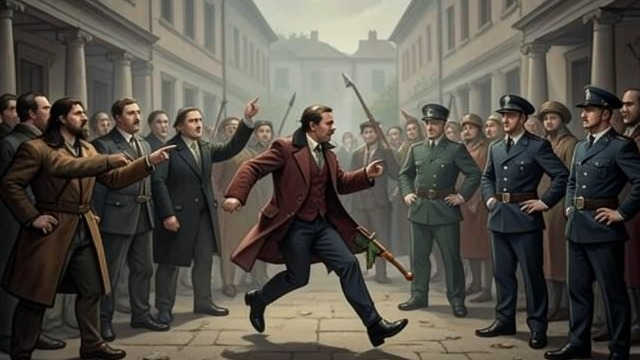
The Crowd’s Verdict
Geppetto Chases
Pinocchio runs through town, and Geppetto follows, shouting for people to catch him. The crowd sees a puppet moving freely but does not know the circumstances that led the father to pursue him.
Authority Misled
Bystanders call Geppetto a tyrant, and the Carabinieri imprison him. The episode makes public sympathy unreliable: the crowd believes it protects a child while punishing the person who made and loves him.
The Robbed Complainant
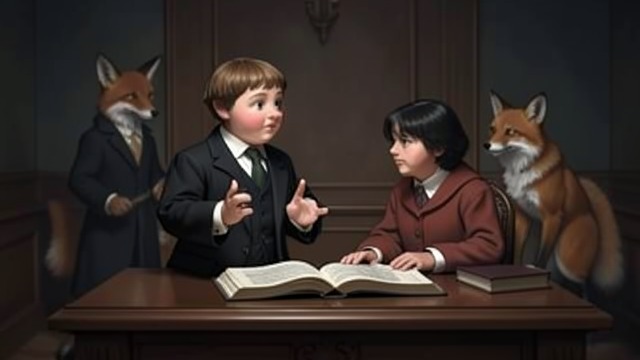
A Courtroom Reversal
Evidence Offered
Pinocchio carefully describes how the Fox and the Cat deceived him and asks the judge for justice. The judge appears attentive and moved by his account.
The Wrong Person Punished
The court orders Pinocchio imprisoned for having been robbed. The scene sharpens the gap between an institution’s posture of listening and its actual response, leaving the child to rely on an accidental amnesty for freedom.
A Book as Evidence
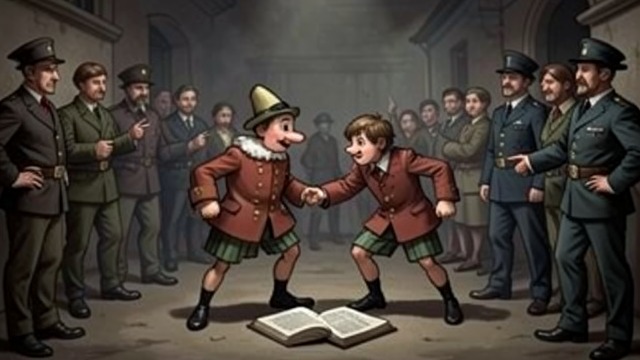
The Arrest at the Beach
A Confused Fight
Pinocchio stands beside Eugenio after a schoolbook has struck and injured him. He is upset and tries to help, but his own book lies at the scene.
Circumstantial Blame
The Carabinieri treat the book as sufficient evidence and order Pinocchio to come with them. He is not the one who threw it, yet his earlier involvement in the fight makes his innocence difficult to communicate.
The Farmer’s Suspicion
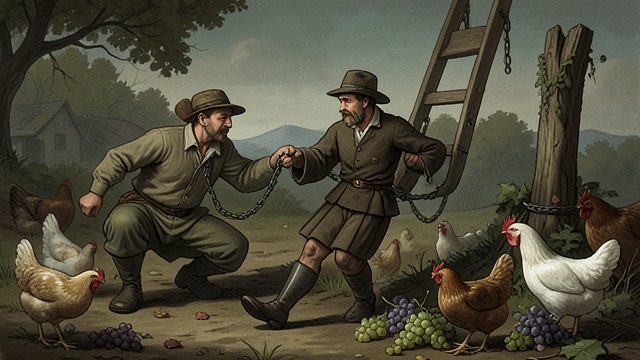
Assumed Guilt
A Trap Springing
A farmer finds Pinocchio caught in a trap intended for animals and assumes he is responsible for stealing hens. Pinocchio insists that he came only for grapes, a smaller but still wrongful theft.
A Harsh Sentence
The farmer chains him as a watchdog to replace a dead dog. The punishment exceeds what the farmer has witnessed, even as Pinocchio’s eventual honesty gives him a way to earn release.
The Puppet Beneath the Skin
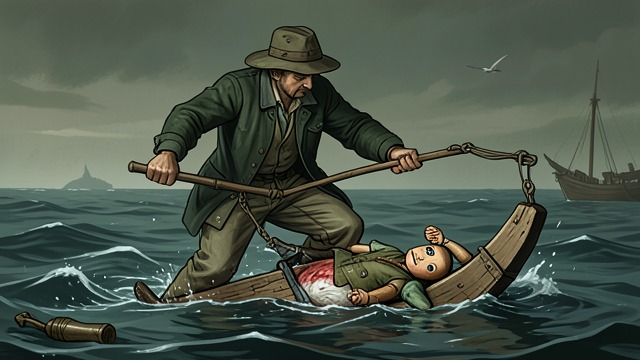
A Buyer’s Mistake
A Donkey Bought for Hide
A buyer purchases the injured Pinocchio to make a drum from his hide and throws him into the sea. He assumes that the animal body is all that exists.
Wood Revealed
The fish strip away the donkey skin and expose the wooden puppet beneath. The buyer’s narrow view of Pinocchio as material to use is overturned, while Pinocchio escapes by becoming what the buyer never understood.
During Pinocchio’s first escape into the street
After Pinocchio returns to the Field of Miracles
At the shore after the schoolyard fight
After Pinocchio is caught stealing grapes
When Pinocchio is pulled from the sea
